Sports Sponsorship in the Age of AI
Published on
by Anna Davey
Artificial intelligence is set to influence every stage of the sponsorship ecosystem, from content creation and fan engagement to activation and measurement.
While AI offers opportunities to improve efficiency, personalisation and decision-making, its widespread use is unlikely to be a competitive advantage on its own.
As technology becomes more accessible, the sponsorships that stand out will continue to be driven by strong strategy, authentic partnerships, human creativity and a deep understanding of fans.
In this Insight:
Sponsorship's Next Transformation
The sponsorship industry is continually evolving, shaped by changes in technology and consumer behaviours that influence how audiences engage with sport, entertainment and brands.
From television broadcasting and digital media to social platforms and data-driven marketing, each technological development has changed how sponsors, rightsholders and rights agencies connect audiences with commercial partners.
Artificial intelligence represents the next significant shift. Organisations across industries are already using AI to better understand audiences, personalise content and improve marketing performance.
As these capabilities become more accessible, AI has the potential to influence every stage of the sponsorship ecosystem, from partnership strategy and valuation to activation, content creation and measurement.
For brands seeking greater return on investment, rightsholders looking to enhance commercial value and agencies responsible for delivering successful partnerships, the focus is no longer on whether AI will influence sponsorship, but how it will reshape the way partnerships are developed, activated and evaluated.

Content Creation at Scale
One of the more visible impacts of AI is its ability to create content quickly and efficiently.
Brands and rightsholders are exploring how AI could help streamline content creation and fan communications. By reducing the time required for certain day-to-day tasks, AI can enable teams to react more quickly to live sporting moments and deliver timely content as events unfold, while also allowing more time for strategic and creative decision-making.
However, the widespread availability of these tools introduces a new challenge. If every organisation can generate content quickly, volume alone is no longer a competitive advantage.
Instead, the competitive advantage is likely to come from the quality of the idea rather than the speed of production. The organisations that stand out may not be those creating the most content, but those using technology to create distinctive storytelling.
AI can accelerate execution, but it cannot guarantee originality.
88 %
of organisations use AI in at least one business function (Source: McKinsey Global Survey on AI)
86 %
of consumers say authenticity is important when deciding which brands they like and support (Source: Stackla, Consumer Content Report)
93 %
of marketers report that personalisation improves leads or purchases (Source: Salesforce State of Marketing)

More Personalised Fan Engagement
Traditionally, sponsorship campaigns have been built around a single message aimed at large audiences. While brands have long had access to audience data, tailoring content and activations at scale has often been time-consuming, resource-intensive and difficult to execute.
AI could help change this. By analysing audience data and automating elements of content creation and delivery, it may enable brands and rightsholders to provide more relevant content and experiences to different fan groups more efficiently.
In theory, this could help sponsorship move beyond mass reach towards greater individual relevance. However, important questions remain. How much personalisation do fans actually want? And can automated interactions create the same emotional connection as human-led experiences?
While AI has the potential to deliver more tailored fan experiences, finding the right balance between personalisation, automation and authenticity will be critical.
Smarter Sponsorship Activation
AI also has the potential to improve decision-making throughout the sponsorship lifecycle.
By analysing audience, consumer and performance data, AI could help identify emerging fan trends, highlight activation opportunities and provide deeper insight into what audiences respond to.
For brands, this may reduce some of the guesswork around activation planning and investment decisions, while rightsholders could use these insights to better understand audiences and support more relevant campaigns.
However, while better data may improve decision-making, it does not remove uncertainty. Many of the most successful sponsorships have succeeded by challenging convention, taking calculated risks or capitalising on cultural moments that were difficult to predict.
Data may become more sophisticated, but successful sponsorships will still rely on human judgement.
Audience Measurement Enters a New Era
Measurement has long been one of sponsorship's biggest challenges. Brands increasingly want to understand not only how many fans a partnership reached, but how it influenced engagement, perception and commercial outcomes.
AI could help bridge that gap by analysing large volumes of audience, content and consumer data, enabling sponsors to better understand the impact of their investments and helping rightsholders demonstrate the value of their assets more effectively.
As measurement capabilities continue to evolve, brands, rightsholders and agencies may be able to make more informed decisions, optimise activations more effectively and develop partnerships based on a clearer understanding of what drives results.
The Differentiation Challenge
As AI continues to develop, one of the most important questions facing the sponsorship industry is whether its advantages will be sustainable.
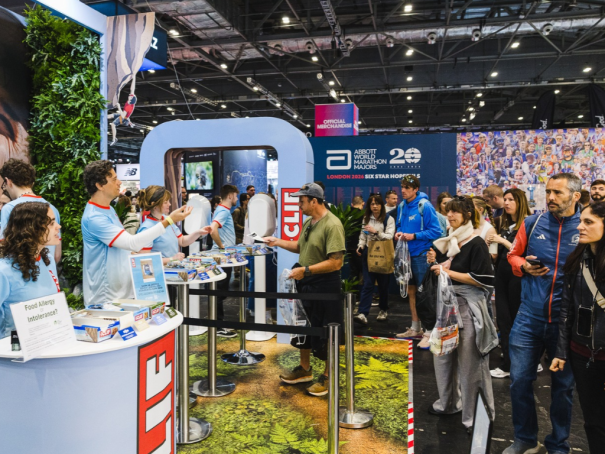
If every brand can personalise content, optimise campaigns, create assets quickly and measure performance more effectively, then these capabilities alone are unlikely to be what separates leading sponsorship from the rest.
While AI may reshape how sponsorship is delivered, many of the qualities that make it effective are unlikely to change.
Exclusive partnerships provide access to audiences, experiences and assets that competitors cannot replicate. Genuine connections with fans are built on trust, emotion and shared experiences, not automation.
Strong strategy still relies on human judgement to understand audiences, identify opportunities and make the right decisions and the most memorable sponsorship ideas continue to come from human creativity.
As AI becomes more widely adopted, these qualities may become even more valuable.
The Things AI Cannot Solve
Despite its potential, AI is unlikely to solve some of sponsorship's most fundamental challenges: identifying the right partnerships, developing distinctive ideas, creating authentic connections with audiences and building the emotional engagement that drives long-term brand value.
Technology can optimise a partnership, but it cannot make the wrong partnership the right one. A sponsorship lacking strategic alignment between a brand, rightsholder and audience will still struggle to resonate.
Similarly, while AI can assist with content creation, it cannot replace genuinely original thinking. Some of the most effective sponsorship campaigns are built around bold creative ideas, cultural relevance and human insight rather than data alone.
Authenticity also remains difficult to automate. Fans are increasingly aware of commercial activity and are often quick to recognise when a partnership feels forced, opportunistic or disconnected from the values of a team, event or community.
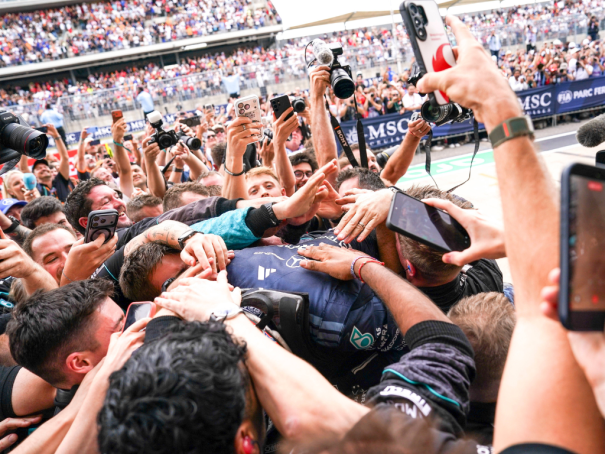
Sport itself remains deeply human. It is built on emotion, community, passion and shared experiences. While AI can help organisations better understand these dynamics, commercial partnerships depend on trust, collaboration and a shared understanding between brands, rightsholders and the people responsible for the activations.

Looking Ahead
Artificial intelligence is likely to play an increasingly important role within sponsorship. It offers opportunities to create more personalised experiences, improve operational efficiency and provide deeper commercial insights.
At the same time, its growing accessibility raises important questions about differentiation, creativity and authenticity.
The organisations that gain the greatest advantage may not necessarily be those using the most AI.
Instead, they are likely to be those using it to strengthen the foundations that already drive successful sponsorship: clear strategy, compelling creative ideas, authentic partnerships and a deep understanding of fans.
