Unrecognised Potential: Training Wear Partnerships in Football
Published on
by Mara Kottke
A Hidden Champion of Sponsorships
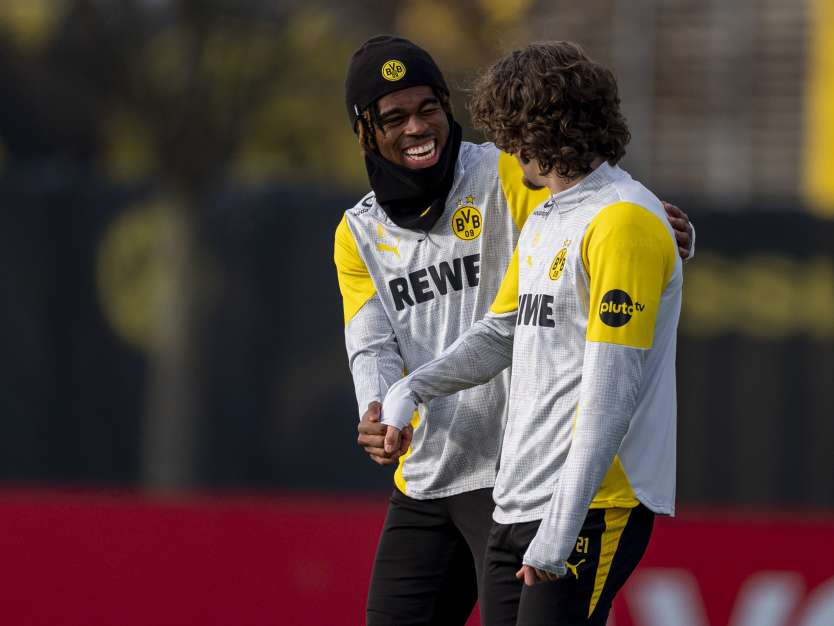
It's becoming more and more common for international football teams to wear a different sponsor's name on their training or warm-up kit than on their usual jerseys. In Germany, however, this sponsorship opportunity has hardly been recognised or used so far - despite it offering companies as well as rights holders numerous advantages. In this insight, we take a look at the strategic and economic significance of sponsorship on football teams' training clothing, how it is already being successfully implemented internationally, and the opportunities it offers clubs in the Bundesliga in particular.
In this Insight:
In the early 2000s, football clubs’ training wear did not feature dedicated sponsors - but since then, this space has become an integral part of sponsorship assets, especially for international clubs.
The catalyst for this change came in 2011 from none other than Manchester United, who brokered a groundbreaking deal: Logistics company DHL paid around £40 million for a four-year partnership on training wear - more than almost any shirt sponsor in the Premier League at the time, and just under half of what ManU received annually from its main sponsor, Aon.
The Value of Training Wear Deals
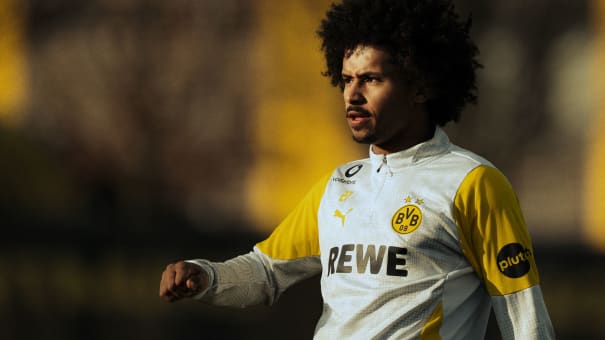
A training kit has a much broader scope than just the matchday warm-up. While the matchday kit tends to attracht the most attention, the training kit is typically used six days a week. This means:
Continuous visibility: Training sessions, press conferences, and behind-the-scenes footage give brands a presence that extends far beyond the game.
Exclusivity of content: Training footage usually belongs to the club, rather than the league or TV broadcasters. This makes it particularly attractive to sponsors, as clubs can use this content freely and without restrictions on social media.
Authenticity: Training wear partnerships offer brands a genuine platform on which to convey values such as community, motivation and passion, which are often associated with football.
Premier League Examples
Manchester City x OKX
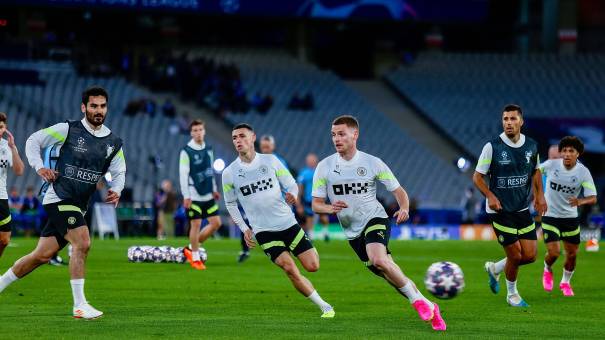
The crypto company OKX was the Citizens' exclusive training wear partner in the 2022/23 season. The logo was visible at every training session and across numerous social media platforms. Special fan activations, such as 'Mixing in the Metaverse' (a DJ set by Oliver Heldens and Jack Grealish), helped to forge an emotional connection with the global community.

Chelsea FC x Trivago
The online travel portal was a sponsor on the Blues' training kit until Summer 2024, reaching up to 90 million club followers through logo placement alone, not to mention the additional exposure gained through the players' accounts, which reached almost 200 million people. According to OMR, one of Germany's leading platform for digital economy, the market value of the advertising space on the training jersey was up to €40 million.

Liverpool FC x AXA
Since 2019, AXA has appeared on Liverpool’s training and warm‑up apparel as the club’s Official Training Kit Partner. Beyond the visibility on all training wear, the partnership includes naming rights for the AXA Training Centre and Melwood, as well as a range of fan‑focused initiatives and support for the club’s community programmes.
Increased Interaction Through Training Wear
The presence of a training wear sponsor extends well beyond the pitch. Clubs and players post photos and videos of training sessions on social media, reaching countless people. These native extensions, in particular, increase reach and provide authentic content outside of match days. Having a local presence at the training ground also increases brand visibility for fans and visitors.
Training content on social media is a great way to create added value for fans, particularly during the week. Clubs often use formats such as exclusive insights, highlight clips or player challenges, which automatically focus attention on training clothing. Such a partnership can offer even greater added value if the content tells a consistent story in line with the values of the training sponsor.
Potential for German Clubs
Although some European clubs are already using this opportunity, the field remains largely untapped in Germany. Sponsorship of training wear on training day is not regulated by the DFL (German Football League), giving companies and clubs creative scope.
The situation is different on Bundesliga match days: Here, the applicable regulations clearly define the additional advertising space for training and warm-up clothing. Depending on the item of clothing, sponsor logos can be placed in different areas. In addition to the kit, sleeve and jersey sponsors, an extra partner can appear on the warm-up clothing.
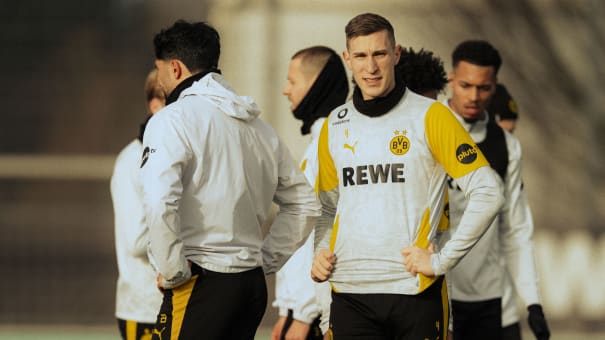
The Bundesliga rights holders have several options for marketing the logo space on the training kit. For example, the current main sponsors could be offered this opportunity as an upgrade. Alternatively, potential new shirt sponsors could be convinced to become main sponsors, given the large social media reach that comes with appearing on the training kit.
Another option would be to allocate the space on the training kit to an additional main partner, who would be featured mainly during training sessions throughout the week, as well as during warm-up and cool-down on match days. This would give the sponsor a dual media presence, through the social media activities of the players and the club during the week, and through visibility on TV on match days.
Conclusion
Sponsorship of training wear is much more than just a ‘niche’ - it is one of the most exciting and authentic brand partnerships in modern football. Thanks to its exclusive visibility, direct access to clubs’ social media reach, and special activations, it offers sponsors and clubs particulary high added value. In the Bundesliga, there is untapped potential for both companies and clubs to discover.
